Our journal is written in French — English translations are on the way.
Cop.Copine vintage: history, style and how to date a piece
From Copain Copine to Cop.Copine: the story of the Nédélian brothers’ label (1986–2023), its signature precise cuts and drapes, the pieces to look for second-hand, and our tips for recognising and dating a piece.
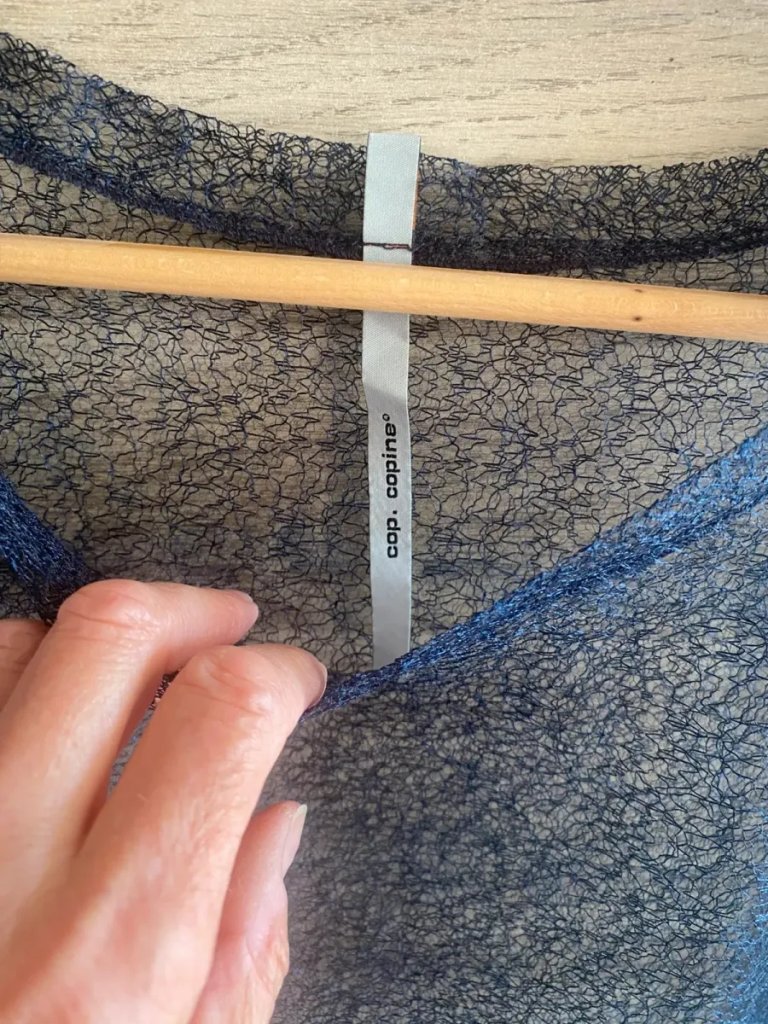
On our rails in the Marais, Cop.Copine holds a special place. It is a label you often recognise before you have even read the tag: a dress that falls on the bias, draped trousers that look shapeless on the hanger and stunning once worn, a deep black lifted by an unexpected line of topstitching. We regularly have pieces in stock. Here is what you need to know about its history, its style, and how to recognise and date a vintage Cop.Copine piece.
From NED to Cop.Copine: the story of a family house
It all begins in 1973, when two brothers, Alain and Léon Nédélian, found NED, a family company that makes and sells clothing for women only. In 1986, they launch a women’s ready-to-wear label within it, called Copain Copine. The name comes from two comic-strip characters, the boy and the girl (“copain” and “copine” mean pal in French), who served as the brand’s muses.
The first Paris showroom opens in 1988. In 1993, Copain Copine gives way to a shorter, more graphic name: Cop.Copine, with its dot in the middle. The spirit stays the same.
The 2000s are the years of expansion. In 2007 the brand moves its headquarters to Romainville, just east of Paris, and in 2008 the trade press counts forty-five boutiques in France, corners in sixty-nine Galeries Lafayette stores, and production carried out 99% in Europe. The stated ambition at the time is to move upmarket while keeping prices accessible. In 2009, a first free-standing boutique opens in the United States, on Union Square in San Francisco. The online store arrives in 2011.
By 2017, the press counts around one hundred and fifty points of sale worldwide, between company-owned boutiques, franchises abroad and department-store corners. The two brothers still run the house, joined in April 2017 by a managing director, Christophe Bosc. In 2021, the brand celebrates its thirty-fifth anniversary.
The end comes quickly. Placed in receivership on 7 November 2022, Cop.Copine finds no buyer for the company as a whole. On 31 January 2023, the Bobigny commercial court approves a partial takeover: the Antonelle group takes over 23 of the 48 remaining boutiques and part of the stock, and those shops switch to the Antonelle banner. The founders then announce the end of their label, after thirty-seven years of design. That is precisely what makes Cop.Copine pieces so interesting today: production has stopped, and everything in circulation is now second-hand.
The Cop.Copine style: cut comes first
Cop.Copine never tried to recreate classic Parisian chic. Its signature is very precise cutting and bold but controlled volumes. The brand described itself as free from convention, playing with cuts, lines, colours and textures, with a feminine identity touched by a hint of masculinity, and a motto that sums it all up: never basic.
In practice, here is what comes back from one collection to the next:
- Drapes, especially on harem-style trousers, which only reveal their full elegance once worn;
- Asymmetric lines: bias hems, off-centre necklines, layering;
- Pleats and slightly avant-garde angles, which give the pieces a designer feel;
- An often dark palette, led by black and grey, lifted by touches of violet, scarlet or tartan, as the American press described it in 2009;
- Unexpected details: working pockets, contrast topstitching, utilitarian touches.
That combination is the label’s charm: clothes that stand out from the ordinary while remaining perfectly wearable, from the office to the evening. A brand designed for everyday women, but with a real point of view.
The Cop.Copine pieces to look for in vintage
On the second-hand market, certain families of pieces come up often and deserve your attention:
- Asymmetric dresses, long or short, with uneven hems or layering: these are the label’s most characteristic pieces;
- Draped or harem trousers, as well as wide, flared trousers, which you really must try on: they cannot be judged on the hanger;
- Skirts, asymmetric or wrap-style, often in wools or fluid fabrics;
- Mesh dresses and tops with a Y2K spirit, much sought after today;
- Utility-inspired pieces, dresses and skirts with patch pockets and contrast topstitching;
- Structured coats and jackets, including British-inspired checks.
Recognising and dating a Cop.Copine piece
Dating a Cop.Copine piece precisely is not always easy: the brand left no detailed public archive of its labels, and we have not found a reliable source describing exactly how its typography evolved. Rather than give you false certainties, here are the solid clues we use, always cross-checking them against each other.
The name on the label
This is the most reliable clue. A Copain Copine label points to the brand’s first era, between 1986 and the 1993 name change: these are the oldest and rarest pieces. A Cop.Copine label dates from 1993 or later. Be careful with the transition years: a stock of old labels may have been used for a while after the change.
The end date
The brand ceased trading in early 2023. Any authentic Cop.Copine piece was therefore made, at the latest, for the final 2022 collections. A new piece with its tags may come from the last stock, sold off in 2023.
The care and composition label
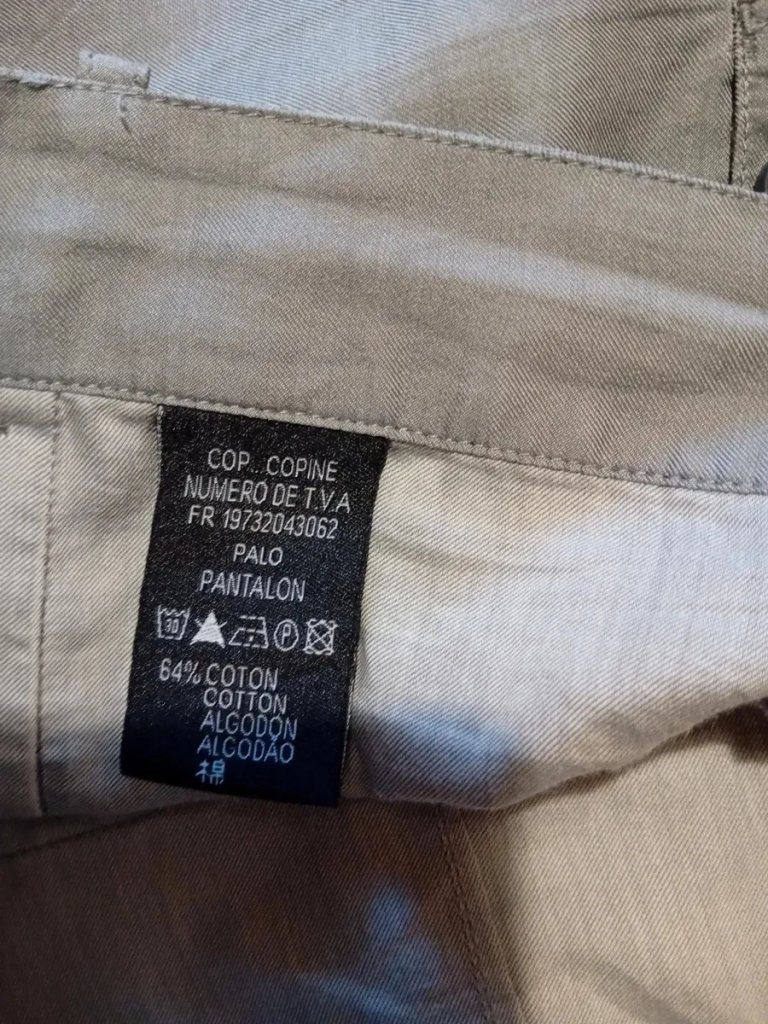
Read it in full: the composition, the country of manufacture and the number of languages are all useful clues. A label translated into many languages suggests the period when the brand was widely distributed internationally, from the 2000s onwards. These clues do not date a piece on their own, but they confirm or contradict an estimate.
The style of the piece
Finally, the piece itself speaks: a mesh dress or a strongly Y2K feel suggests the late 1990s and the 2000s, while cleaner, more minimal lines fit the more recent collections better. Always cross-check style against the label, never one without the other.
Caring for a Cop.Copine piece
Fabrics vary a great deal from one piece to another: wool, cotton, viscose, technical blends. Follow the care label first. A few general rules still apply: viscose is fragile when wet, so wash it gently, cold, without wringing. Pleats should be pressed carefully along the existing folds, or left to a dry cleaner. Draped and asymmetric pieces are best stored on a hanger, to preserve the way they fall.
Cop.Copine FAQ
Does the Cop.Copine brand still exist?
No. Placed in receivership in November 2022, the brand found no buyer and ceased trading in 2023. Some of its boutiques were taken over by the Antonelle group and rebranded. Cop.Copine pieces can now only be found second-hand.
What is the difference between Copain Copine and Cop.Copine?
They are the same house. The brand was born in 1986 as Copain Copine, then renamed Cop.Copine in 1993. Copain Copine labels therefore mark the oldest pieces.
Is a Cop.Copine piece necessarily vintage?
Not strictly. “Vintage” generally refers to a piece at least twenty years old: pieces from the 1990s and 2000s qualify, while those from the 2010s and 2020s are better described as recent second-hand. They all share one thing, though: they are no longer made.
Cop.Copine means thirty-seven years of French fashion with character, and a label that is a pleasure to rediscover today. Every piece we select is checked, described and photographed with care, so you know exactly what you are buying.
Discover our vintage pieces
Pieces from this story
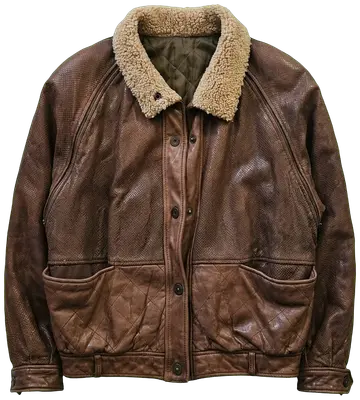 Image generated from the photo — the real photos are on the product page
VFORTI
Cappotto vintage
€320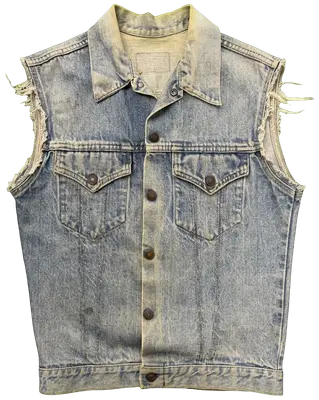 Image generated from the photo — the real photos are on the product page
Levi's
Faded sleeveless denim jacket with frayed edges
€110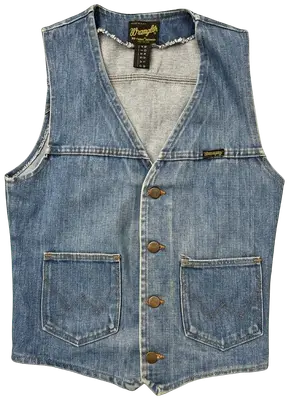 Image generated from the photo — the real photos are on the product page
Wrangler
Vintage light blue Wrangler denim vest from the No-Fault Denims line
€110Read next
Discover our vintage pieces
View shop